
In James Gleick’s The Information: A History, A Theory, A Flood introduction he is describing the process of the spread and utilization of information and how this essentially the basis for understanding life. “It is information, words, instructions . . . If you want to understand life, don’t think about vibrant, throbing gels and oozes, think about Information technology.” (Gleick, 8) This reading has me thinking about how much differently we think about life and knowledge the more access we have to information. Gleick is talking about Information technology and how this can be used to spread information and increase understanding of everything. Gleick’s approach to the Age of Information is that it is a process in which is constantly developing and the better communication the more understanding of the world is available. The author uses examples of both thinking outside the box and doing things differently, putting things together that may be unconventional, and collaboration as keys to the progress that has been made in information technology and communication. (Gleick 6,7).
In Ronald R. Kline’s The Cybernetics Moment what struck me was the vast number of things that one piece of technology can do. For example, when he is explaining how Information-feedback machines could do extensive practical things that seemingly were unrelated. (Kline 1, 2). Like Gleick’s introduction, there seems to be a theme of putting together expertise that normally do not go together to make progress. Here however, it goes a bit further as the writer describes experts actively trying to bring different fields of expertise together to further understanding (Kline, 3). Kline’s approach to the Age of Information is to focus on what brought us to where we are today and what makes this an information age. He is looking to understand the process that it took to get here and by doing this I think the information can be utilized better and more efficiently as well as expanded upon.
Project ideas that come to mind are collaborative projects that focus on increasing understanding of information technology platforms. Perhaps linking things together that may not normally be used together could create a new perspective on communication and technology.
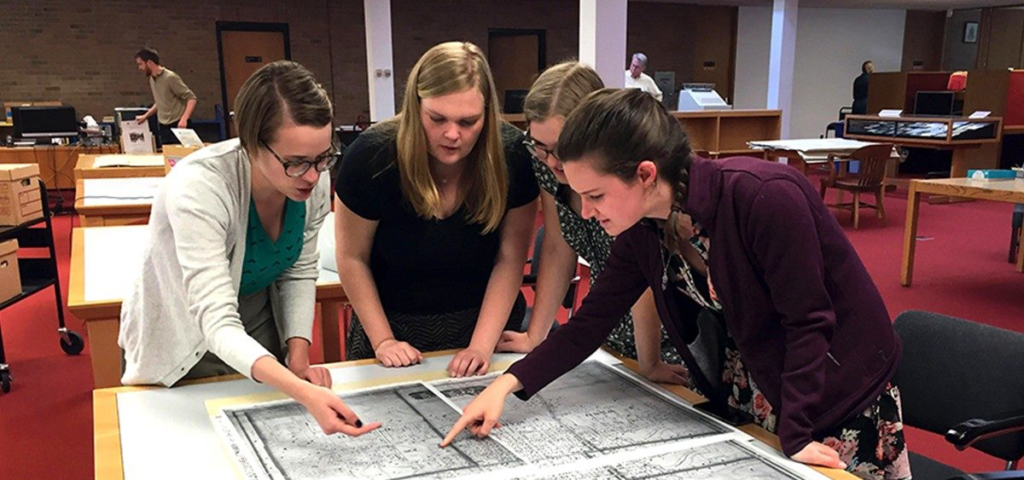
https://lsa.umich.edu/history/history-at-work/career-diversity/collaboration.html
Works cited:
Kline, Ronald R. The Cybernetics Moment : Or Why We Call Our Age the Information Age. 1st ed. Baltimore: Johns Hopkins University Press, 2015.
Gleick, James. The Information : a History, a Theory, a Flood. 1st ed. New York: Pantheon Books, 2011.
Hey Ruth,
Gleick’s definition of information and his quote on page 8 also changed my perspective on how the world works. As a science major, I think I often get caught up in the science behind life instead of focusing on different sources of information, beyond science, that change the way we live and think.
After reading about Kline’s interdisciplinary approach to the Information Age, I think collaboration projects connecting ideas we usually do not link is a great idea.